Not all beef is the same, and the cheapest price doesn't always mean the best value.
Whether you're buying a quarter of beef from a farmer down the road, choosing steaks at a butcher shop, or picking up ground beef at the grocery store, there are things worth knowing before you spend your money.
How old was the animal? Was it properly finished? How long was the beef aged? How much meat will you actually receive? And what is included in the price?
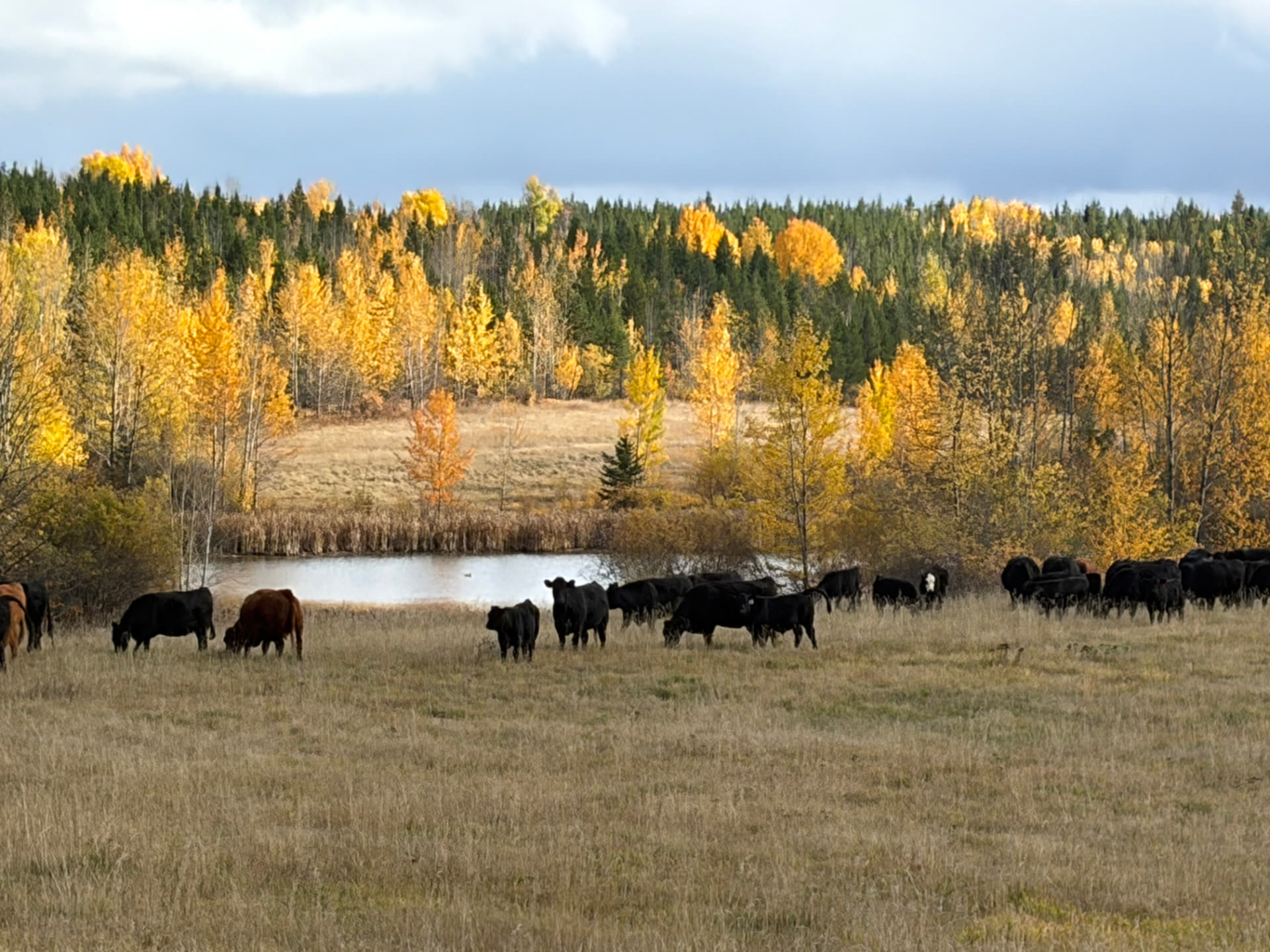
At Bar 7 Beef, we've spent years raising cattle in the Cariboo region of British Columbia. We've worked with different breeds, feeding programs and butcher shops, and we've learned that producing consistently good beef takes more than simply raising an animal to a certain weight.
We're putting this guide together to share what we've learned.
You don't have to buy beef from us to use it. In fact, we'd encourage you to ask these same questions of any producer you're considering buying from.
The more you know about the beef you're purchasing, the easier it becomes to recognize quality and compare value.
1. How Old Was the Animal?
One of the first questions we'd encourage anyone to ask when buying beef is how old the animal was when it was processed.
At Bar 7 Beef, we prefer younger finished animals, generally around 24 months of age and under 30 months.
Our reasoning is straightforward.
By around 24 months, an animal of the breeds we commonly work with has usually developed enough frame to carry a substantial amount of beef, while still being relatively young.
Age can influence tenderness because collagen in muscle develops stronger cross-links as cattle mature. Older animals can therefore produce tougher cuts, particularly from muscles that have done a lot of work.
That's not to suggest an older cow can't produce good beef.
Mature cows can provide excellent ground beef, slow-cooked roasts and other useful cuts. But we wouldn't automatically expect the same eating characteristics from a six-year-old cow as from a properly finished two-year-old steer.
Older beef may have a different flavour, fat distribution and tenderness.
Does younger automatically mean better?
No.
A young steer that hasn't been properly finished may produce disappointing steaks. A well-managed older animal may produce very enjoyable beef, especially when the cuts are matched to the right cooking methods.
Age is one piece of the puzzle.
Ask the seller:
- How old was the animal when it was processed?
- Was it a steer, heifer or mature cow?
- What cuts and cooking methods would you recommend for that animal?
What about the 30-month rule in Canada?
Canada has special processing requirements for cattle aged 30 months and older relating to specified risk materials and bovine spongiform encephalopathy (BSE).
These requirements affect the removal of certain tissues, including nervous-system material associated with the vertebral column.
They do not mean every bone-in cut from an older animal is prohibited, but some traditional bone-in cuts involving the spine can be affected.
This is another reason to ask how and where your beef was processed.
Back to contents2. Was the Animal Properly Finished?
In our opinion, this is one of the most important questions in the entire guide.
A steer can be healthy, well cared for and gaining weight without necessarily being ready to produce the type of marbled beef many people expect from a premium steak.
There's a difference between growing an animal and finishing one.
Growing versus finishing
During much of an animal's early life, nutrients support the development of its skeleton, muscles and body frame.
As the animal matures and receives sufficient nutrition, it can begin developing the fat cover and intramuscular fat associated with a finished carcass.
Intramuscular fat is what we call marbling.
Marbling contributes to the richness and juiciness people enjoy in a well-prepared steak.
At Bar 7 Beef, we're fans of Angus cattle and Angus–Simmental crosses. We like the combination of frame size, muscling, finishing potential and eating quality.
For the larger-framed beef breeds we commonly work with, an 1,100-pound steer may still be developing its frame and may not have reached the condition we want for processing.
A steer weighing around 1,400–1,450 pounds may be much closer to our preferred finish.
But weight alone does not prove an animal is ready.
Some smaller-framed breeds may be properly finished at much lighter weights.
Why fat cover matters
A properly finished animal generally carries some external fat cover over the carcass.
That fat can help protect the underlying muscle during chilling and aging.
Very lean carcasses can be more susceptible to rapid chilling, depending on processing conditions. Excessively rapid chilling before the muscles have completed rigor mortis can contribute to a process called cold shortening, which may make beef tougher.
Fat cover also helps protect exposed muscle surfaces during dry aging.
That doesn't mean more fat is always better. Excessive external fat often gets trimmed away, reducing packaged yield.
The objective is an appropriate finish for the animal, not simply making it as heavy or fat as possible.
What happens if an animal is processed too early?
An underfinished animal may produce:
- Less marbling and a leaner eating experience
- A smaller carcass
- Less packaged beef in total
- Cuts that require more careful cooking
- Less external fat protection during chilling and aging
Some customers prefer lean beef. There's nothing wrong with that.
But if you're expecting a richly marbled steakhouse-style ribeye, you should ask whether the animal was finished to produce that result.
Ask the seller:
- What did the animal weigh at processing?
- Was it finished to your preferred market condition?
- What sort of marbling and external fat cover did it have?
- Why did you decide it was ready to butcher?
A producer who knows their cattle should be able to explain their reasoning.
Back to contents3. How Long Was the Beef Aged?
At Bar 7 Beef, we prefer our beef to hang for at least 21 days when the carcass and processing conditions are suitable.
We've eaten beef aged for more than 30 days, and some of those steaks and roasts have been exceptional.
But longer aging isn't automatically better.
What happens during aging?
Natural enzymes gradually change structures within the muscle after slaughter. This can improve tenderness.
When beef is dry-aged, moisture also evaporates from exposed surfaces, and changes in flavour can develop.
Aging can give properly handled beef a more concentrated, characteristic flavour.
However, prolonged dry aging also means losing some weight through moisture evaporation and potentially losing more material when dried surfaces are trimmed.
Why finishing matters for aging
We prefer to age well-finished carcasses with suitable fat cover.
A very lean carcass may lose too much moisture or require considerable trimming if subjected to extended dry aging.
That can reduce the amount of beef the customer ultimately receives.
The butcher must also control cooler temperature, humidity, airflow and sanitation.
You cannot make an underfinished animal into premium beef simply by leaving it hanging longer.
Is seven days enough?
Seven days of aging can provide useful tenderness improvement, and some carcasses or processing methods are better suited to shorter aging.
Other beef may benefit from longer periods.
There isn't one perfect hanging time for every animal.
Ask the seller:
- How long was the beef aged?
- Was it dry-aged or wet-aged?
- Why was that aging period chosen?
- Was the carcass suitable for extended aging?
Aging is an important part of producing good beef, but it needs to be considered alongside finishing and processing.
Back to contents4. Is the Beef Grass-Fed, Grass-Finished or Grain-Finished?
This is a subject that generates plenty of debate.
We've raised cattle on grass, and we've finished cattle using different feeding programs. Personally, we prefer the consistency and flavour we can achieve with a properly managed grain-finishing program.
That doesn't mean grass-finished beef can't be excellent. It certainly can.
Grass-fed and grass-finished aren't interchangeable descriptions
Cattle may spend much of their lives grazing pasture before receiving a finishing ration containing grain.
A customer interested in forage-only finishing should ask specifically what the animal ate during the final months before slaughter, rather than relying on a broad label.
A properly grass-finished animal needs sufficient nutrition from forage to develop the desired carcass condition.
Here in the Cariboo, our growing season can make that challenging.
Consistent grass finishing may require exceptionally productive pasture, appropriate forage varieties, careful grazing management and, in some circumstances, irrigation.
Which tastes better?
That's a matter of preference.
Grass-finished beef can have a different flavour and fat profile from grain-finished beef.
Grain finishing can help produce the marbling and rich, buttery eating experience many customers associate with a premium steak.
Neither feeding method guarantees quality by itself.
Is grass-finished beef healthier?
There are measurable differences in some fatty acids and nutrients between grass-finished and grain-finished beef.
However, the exact composition varies with the animal and its diet. Those differences should not be confused with proof that one production system necessarily creates better long-term human health outcomes.
Beef from either system can be a valuable source of protein and other nutrients.
For us, the more useful question is whether the animal received a balanced diet and was properly finished.
Ask the seller:
- What was the animal fed during the final 90–120 days?
- Was it finished on forage or a ration containing grain?
- How was finishing condition assessed?
- What flavour and fat characteristics should I expect?
5. How Were the Cattle Raised and Handled?
We believe good beef starts well before an animal enters the finishing program.
It starts with the mother cow, the pasture and the way the cattle are managed throughout their lives.
At Bar 7 Beef, we're continually working to improve our grazing land.
We use rotational grazing, allow pastures longer rest periods and try to leave enough plant material behind to protect the soil and support regrowth.
Our cattle help distribute nutrients through manure and by trampling plant material onto the ground.
The goal is healthier soil, productive forage and cattle that receive the nutrition they need.
Why animal care matters
We believe cattle should have dependable access to feed and water and be handled as calmly as practical.
Good nutrition during pregnancy is important for the developing calf. Nutrition and management throughout the animal's life also influence growth and performance.
We aim to minimize unnecessary stress during gathering, sorting, loading and transportation.
What about antibiotics?
If an animal is sick and needs treatment, we believe it should receive appropriate care.
At Bar 7 Beef, we document treatments and follow required medication withdrawal periods.
It's important to distinguish between raised without antibiotics and beef from an animal that received necessary treatment but met all required withdrawal periods before slaughter.
Those are different claims.
We encourage customers to ask producers about their animal-health practices instead of assuming that one label tells the whole story.
Ask the seller:
- Where and how were the cattle raised?
- How were they managed during the grazing and finishing periods?
- What animal-health practices are followed?
- Are medication treatments documented?
- Can the producer explain their raising practices without relying solely on marketing labels?
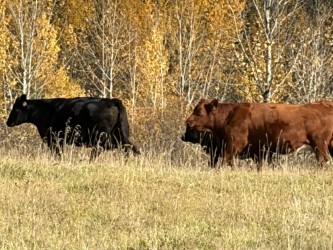
Learn more about how we raise our beef.
6. Where Was the Beef Processed?
At Bar 7 Beef, we use provincially inspected slaughter facilities.
One reason is practical: we're building a business that serves customers throughout British Columbia.
Provincially inspected abattoirs operate under requirements that include inspection of animals and carcasses, sanitation and other controls.
Federally licensed processing provides the regulatory pathway for interprovincial meat trade.
British Columbia also has Farmgate and Farmgate Plus licensing systems that permit certain smaller-scale slaughter and sales under different rules.
These systems aren't all identical, and customers should understand which applies to the beef they're purchasing.
Does inspection guarantee the best-tasting beef?
No.
Some excellent butchers operate in smaller facilities. Inspection status alone doesn't tell you how expertly steaks are cut or how attractive the final packaging will be.
But it does tell you something about the regulatory system under which the meat was produced.
When we're purchasing food for our own families, we want to know how it was processed and what standards applied.
The butcher matters, too
A good butcher can make a substantial difference to the final product.
Cutting instructions, trimming, steak thickness, grinding, labeling and packaging all affect the customer's experience.
And the slaughter facility and the shop doing the cutting and wrapping aren't necessarily the same business.
Ask the seller:
- Where was the animal slaughtered?
- What licence or inspection system applied?
- Where was the beef cut and wrapped?
- Will the packages be properly identified and labelled?
7. What Does Hanging Weight Actually Mean?
This is one of the most misunderstood parts of buying a quarter or half beef.
There are three different weights customers need to understand.
Live weight is the weight of the animal before slaughter.
Hanging weight, sometimes called carcass weight, is the weight after the hide, head, internal organs and other non-carcass components have been removed.
Packaged weight is the beef you actually take home after aging, deboning, trimming and cutting.
They are not the same number.
Example: A 1,450-pound finished steer
| Stage | Illustrative weight |
|---|---|
| Live animal | 1,450 lb |
| Hot carcass at 62% dressing | 899 lb |
| One-quarter hot carcass | Approximately 225 lb |
| Estimated packaged beef per quarter | Approximately 135–160 lb |
These are examples, not guaranteed yields.
The packaged amount depends on fat and bone content, aging losses, boneless versus bone-in cutting, steak thickness, trimming and other processing choices.
An animal with greater muscle development and a suitable finish may provide a different return from a smaller or leaner animal.
Why packaged yield matters
If you're paying by hanging weight, you're paying for a weight that includes material you won't necessarily take home.
That's perfectly normal. But you need to understand the relationship.
When you're comparing offers, ask for an estimated packaged weight.
Ask the seller:
- Is the price based on live weight, hanging weight or packaged weight?
- Is the hanging weight measured before or after chilling?
- What packaged yield should I reasonably expect?
- Does that estimate include bones in bone-in cuts?
8. Why Might One Quarter Cost $1,500 and Another $2,400?
People ask us this question quite often.
Our first response isn't that the cheaper quarter is bad beef.
We want to know what's included.
A $1,500 quarter might come from a smaller animal, use a different processing arrangement or be priced before butcher charges.
It might also simply be a farmer offering a good deal.
Likewise, a $2,400 quarter isn't automatically superior because it costs more.
Compare the final value
Imagine these two hypothetical purchases:
| Quarter A | Quarter B | |
|---|---|---|
| Advertised price | $1,500 | $2,400 |
| Additional butcher charges | $300 | Included |
| Total cost | $1,800 | $2,400 |
| Packaged beef | 100 lb | 150 lb |
| Effective cost per packaged pound | $18.00 | $16.00 |
In this example, the higher-priced quarter actually costs less per pound of packaged beef.
But change the yield assumptions, and the comparison could reverse.
That's why we encourage customers to compare actual quantities, quality and total costs rather than just advertised prices.
Butcher fees can add up
Depending on the processor, fees might include slaughter, inspection-related charges, chilling, cutting and wrapping, extra grinding, special packaging and dividing a carcass into smaller orders.
We have seen charges around $45–$50 for certain quarter-splitting services and additional costs for particular cutting or packaging choices.
Butcher-shop fees vary, so get an itemized quote.
Why Bar 7 Beef uses an all-inclusive price
We prefer telling customers the price upfront.
At our current regular pricing, a quarter is $2,400 and a half is $4,600, with standard processing, cutting and wrapping included.
Customers should understand the assortment they're purchasing, the expected quantity and any special arrangements before committing.
The goal is to avoid surprises when it's time to collect their beef.
Back to contents9. What Cuts Should You Expect in a Quarter of Beef?
One surprise for first-time buyers is that not every quarter contains exactly the same number of steaks, roasts and specialty cuts.
A carcass can be divided into traditional front and hindquarters, or into mixed quarters that provide a selection from both ends.
At Bar 7 Beef, we generally aim for a balanced assortment of steaks, roasts and ground beef.
Some cuts are limited
There are only so many tenderloins, briskets, ribeyes and other premium cuts on an animal.
If the butcher leaves a rib section as a prime rib roast, that same portion isn't also available as individual rib steaks.
Likewise, dividing brisket or tenderloin across four mixed quarters means each customer may receive smaller portions.
An odd number of steaks can also mean one quarter receives a slightly different assortment.
Cutting instructions make a difference
Some people prefer large roasts. Others want more steaks.
We personally enjoy a good chuck roast cooked slowly with vegetables and shared around the family dinner table.
But we've learned that many customers prefer more steaks and fewer roasts.
Steak thickness matters too.
A thicker steak can be wonderful on the barbecue, but thicker cutting means fewer individual steaks.
We've found that approximately one-inch steaks are a practical preference for many of our customers.
What about ground beef?
Ground beef usually represents a substantial portion of a mixed quarter.
In our experience, somewhere around 40–50 pounds may be a reasonable expectation from certain quarters we prepare, although the amount varies with carcass size and cutting choices.
A customer who chooses fewer roasts or less stew meat may receive more ground beef.
Ask the seller:
- Is this a front quarter, hindquarter or mixed quarter?
- Can I see the cut list?
- How thick are the steaks?
- How large are the roasts?
- Can I request more ground beef?
- Are custom cutting instructions available?
If you have specific preferences, make those arrangements before the animal is processed.
10. Is Butcher Paper or Vacuum-Sealed Packaging Better?
Both can work well.
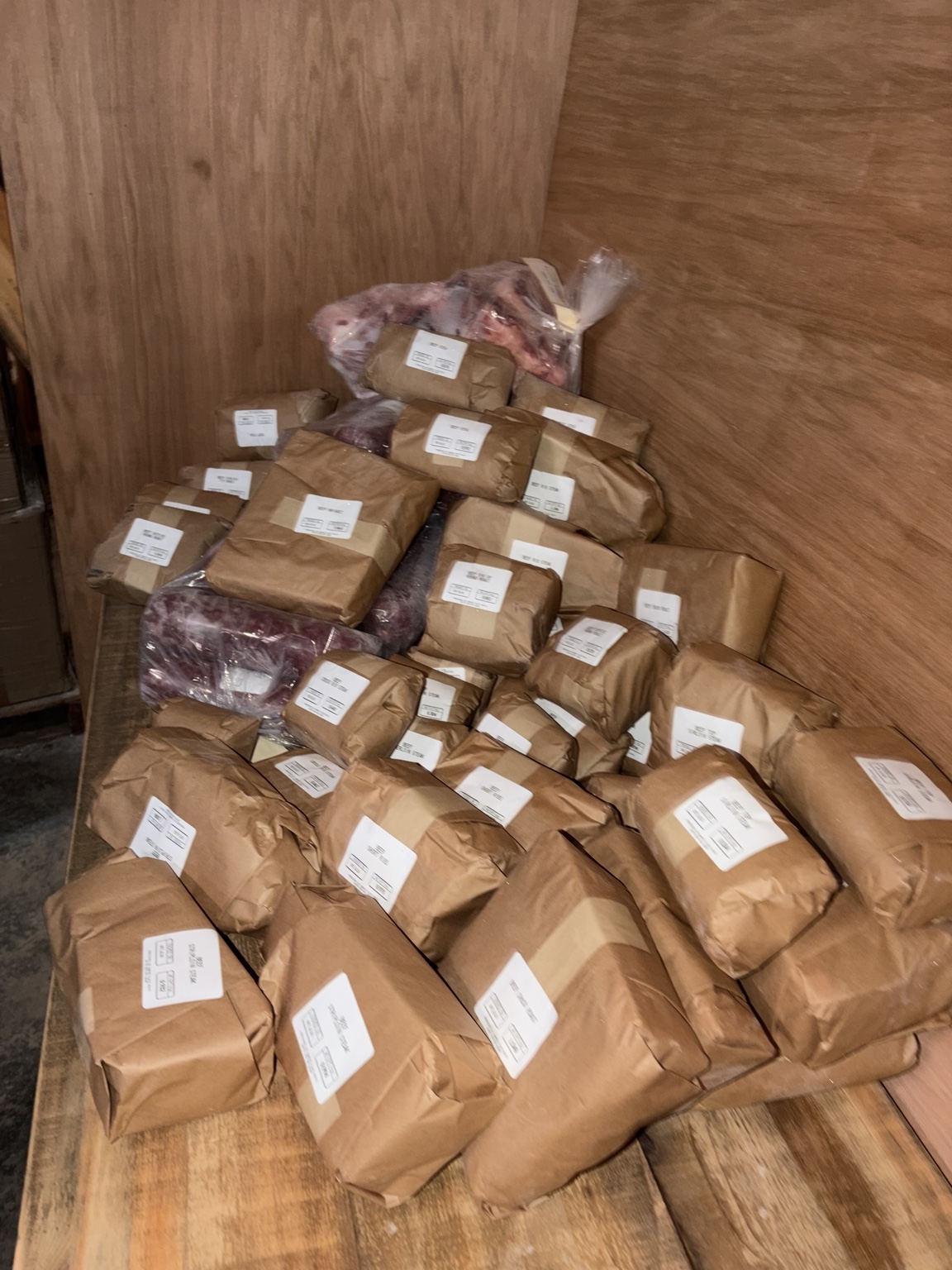
At Bar 7 Beef, we like vacuum packaging because it's attractive, protects the product from air when properly sealed and allows customers to see the beef.
But vacuum packaging costs more.
Some processors charge an additional $1.20–$1.80 per package, depending on the product and packaging method.
Across a large order, that can become expensive.
Butcher paper
Good freezer paper, especially when used with an appropriate inner wrap, can protect beef effectively.
It's flexible and can work particularly well for irregularly shaped or bone-in cuts.
For families that plan to eat their beef within a reasonable period, carefully wrapped butcher-paper packages are often entirely adequate.
Vacuum sealing
Vacuum-sealed packages reduce air exposure and can help protect quality during longer freezer storage.
But the seals must remain intact, and sharp bones can puncture bags.
No packaging method makes beef immune to quality deterioration.
What we recommend
Choose packaging based on how long you expect to keep the beef, the cost and the quality of the butcher's work.
And check the packages when you receive them.
Ask the seller:
- How is the beef packaged?
- Are packages labelled with cut names?
- Are ground beef portions convenient for my family?
- Is vacuum sealing available, and does it cost extra?
- What should I do if I find a damaged package?
11. How Much Freezer Space Do You Need?
Buying a quarter beef is a significant investment.
Before spending the money, make sure you have a reliable freezer.
We generally suggest allowing approximately 4–5 cubic feet of usable freezer space for a typical quarter, with more room if you want extra space for sorting and finding cuts.
The exact amount depends on package shape, cuts and weight.
Keep your freezer cold
The recommended freezer temperature is −18°C (0°F) or colder.
A separate freezer thermometer is inexpensive and worth having.
Organizing your beef
Some people put every package into the freezer and find what they need later.
Others organize ground beef, steaks and roasts into separate sections.
We prefer the second approach for convenience.
It also makes it easier to recognize when you're running low on particular cuts.
How long will a quarter last?
Imagine you receive 120 pounds of packaged beef.
| Household consumption | Approximate duration |
|---|---|
| 3 lb per week | 40 weeks |
| 5 lb per week | 24 weeks |
| 7 lb per week | 17 weeks |
A family eating five pounds of beef each week could use a 120-pound quarter in approximately six months.
That's why we recommend estimating how much beef your household normally eats before deciding how much to buy.
What if you've never bought ranch-direct beef?
Our advice is to start with a smaller box if you're unsure.
Try the beef. Cook a few different cuts. See whether your family enjoys it.
There's no reason everyone needs to start with a quarter.
A small family, someone living alone or a household with limited freezer space might be better served by purchasing boxes more frequently.
Back to contents12. Can You Trust the Farmer, and How Does Ordering Work?
This is one of the hardest questions to answer because you can't always determine whether someone is trustworthy from an advertisement.
Our advice is simple.
Talk to the farmer.
Ask questions.
Ask how the cattle are raised, where they're finished, how they're processed and what's included in the price.
See whether the producer answers directly.
Visit the farm where practical
At Bar 7 Beef, we're happy to arrange visits and talk about our cattle, pasture management and ranching practices.
Our animals are kept at different locations, so visits need to be coordinated.
We especially enjoy opportunities for families and children to learn where their food comes from.
You can also learn about a producer through real photographs, videos, customer experiences and how they respond to questions.
What should happen when you order?
Before paying, make sure you understand:
- What you're purchasing
- The total price and any extra charges
- Expected quantities and cuts
- Deposit and cancellation terms
- Processing and delivery timing
- Who to contact if something goes wrong
For advance quarter reservations, Bar 7 Beef currently asks for a $500 deposit.
That helps us plan processing and reserve the beef for customers who intend to take it.
Customers requesting custom cutting instructions can receive the butcher's cutting sheet and discuss their preferences before processing.
What happens if the beef isn't ready on the expected date?
We believe the cattle should be properly finished before processing.
If an animal needs more time, we'd rather allow that time than rush the animal to meet an estimate.
For planned January processing, deliveries may be expected toward the end of January, depending on cattle readiness, butcher scheduling and aging.
Those dates should be confirmed before customers make final arrangements.
What if delivery needs to change?
We try to coordinate deliveries so customers can get their beef directly into the freezer.
If you need to change a delivery, communicate as early as possible.
If there's a problem with the order, contact the seller promptly and ask how it will be resolved.
A good buying experience should involve clear communication from beginning to end.
Back to contents12 Questions to Ask Before Buying Beef
Before purchasing a quarter, half or other large amount of beef, ask:
- How old was the animal?
- Was it properly finished, and what was its final weight?
- How long was the beef aged?
- Was it grass-finished, grain-finished or another feeding program?
- How were the cattle raised and cared for?
- Where was the beef slaughtered and processed?
- Am I paying by live, hanging or packaged weight?
- What is the complete price, including butcher fees?
- Exactly which cuts should I expect?
- How will the beef be wrapped and labelled?
- How much freezer space will I need?
- What are the deposit, delivery, cancellation and customer-service terms?
If you're satisfied with the answers, you're much better prepared to make a confident purchase.
Final Thoughts: Buy the Beef That’s Right for You
There's no single type of beef that's right for everyone.
Some families want lean ground beef. Others want thick, heavily marbled steaks. Some prefer grass-finished beef, while others enjoy grain-finished beef.
Some households can store a quarter or half. Others would rather buy a small box every few weeks.
And price matters.
We understand that $2,400 is a significant amount of money to spend on a quarter of beef.
That's why we believe customers should understand exactly what they're buying.
At Bar 7 Beef, our preference is to raise and finish cattle carefully, use inspected processing, age suitable carcasses properly and offer clear, all-inclusive pricing for our standard bulk beef packages.
But our advice doesn't change if you buy from another farmer.
Ask questions. Compare the full cost. Understand how the animal was raised, finished and processed. And buy from someone you feel comfortable dealing with.
Good beef starts long before it reaches your freezer.
Raised in the Cariboo. Rooted in the Land.
Bar 7 Beef — Quesnel, British Columbia
Interested in learning more?
Visit bar7beef.ca/quarter-half-beef to explore our quarter and half beef options, or email orders@bar7beef.ca with your questions.
You can also start with one of our smaller beef boxes before committing to a larger purchase.
Editor's note: Product availability, prices and delivery arrangements are subject to confirmation. All weights and yield examples in this guide are illustrative unless identified as a specific Bar 7 Beef example. This guide provides general consumer information, not a substitute for official food-safety or regulatory guidance.